
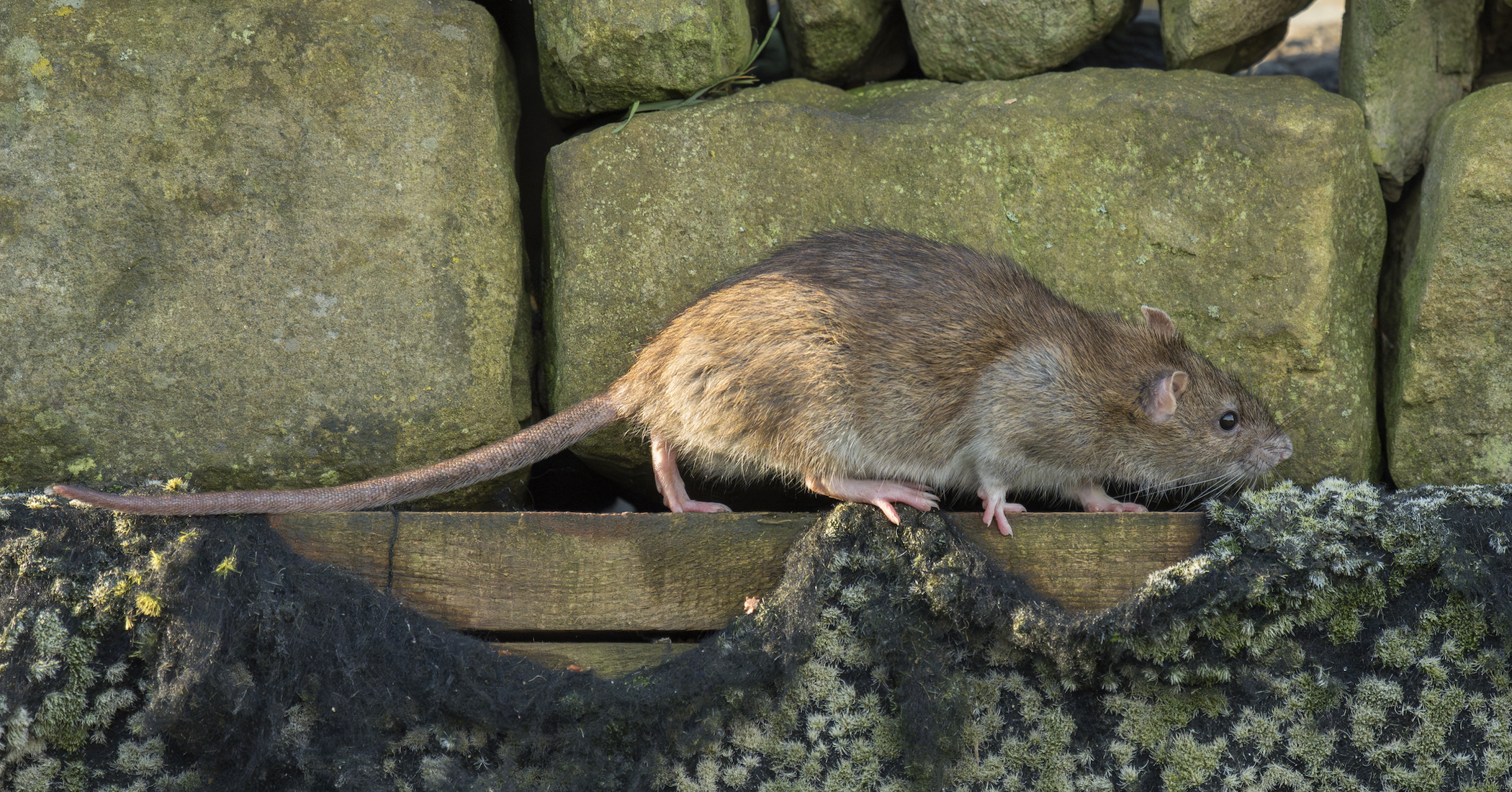
Once nighttime temperatures across Central Arkansas start dropping into the 50s, mice and rats stop foraging outside and start looking for a way in. Attics, garages, and the gap under a back door all start looking like a good deal to a cold rodent. Bug Masters handles fall rodent control for homeowners in North Little Rock, Little Rock, Conway, Sherwood, Jacksonville, Cabot, Benton, and Bryant, and fall is reliably our busiest season for rodent calls.
Why Rodents Move Indoors When Temperatures Drop
Mice and rats do not hibernate. As the food and cover they rely on outdoors thins out in October and November, they follow the easiest path toward warmth and a steady food source, which is often a house. A gap the width of a pencil is enough for a mouse to squeeze through, and rats can exploit openings around utility lines, foundation vents, and garage door seals. Once inside, they do not leave on their own. They nest in wall voids, attics, and storage boxes, and they keep breeding through the winter.
Signs of Rodent Activity Before You See a Rodent
Most homeowners hear a rodent problem before they see one. Bug Masters technicians look for the same signs when they inspect a Central Arkansas home this time of year:
- Scratching or gnawing sounds in the attic or walls, especially at night when rodents are most active.
- Droppings that are conical or spindly, usually clustered near baseboards, pantries, or the attic. This shape sets rodent droppings apart from the smaller droppings insects leave behind.
- Grease marks or a greasy trail along baseboards and walls, left behind as rodents travel the same path repeatedly.
- A stale or rotting smell, which can point to dying rodents in a wall cavity or a buildup of urine and droppings in an enclosed space.
Any one of these on its own is worth a call. Together, they usually mean rodents have already been active for a while.
Why DIY Traps Rarely Solve a Fall Rodent Problem
Snap traps and bait stations can catch individual rodents, but they do not address why rodents got in or how many are actually nesting inside. A single female mouse can have several litters over a winter, so a homeowner who catches one or two mice in the garage may still have a growing population in the attic. Beyond the property damage, the CDC notes that rodents can carry pathogens linked to several diseases, which is one more reason a lingering problem is worth solving completely rather than just thinning out. Sealing entry points, inspecting for nesting sites, and treating the problem at its source takes more than a trap from the hardware store.
How Bug Masters Handles Rodent Control in Arkansas
Rodent control starts with a free inspection, where a Bug Masters technician walks the property to find active entry points, nesting areas, and the conditions drawing rodents in. From there, we build a treatment plan specific to what we find at your home rather than applying a one-size-fits-all approach, using methods that are safe for your family and pets. Homeowners on our quarterly residential plan get rodent control built into their regular service, with three exterior-focused visits and one interior inspection each year. If rodent activity turns up between visits, contact us and we will address it. We back every job with a 90-day satisfaction guarantee.
Bug Masters has handled pest problems for Central Arkansas homes for three generations. If you are hearing scratching in the attic or finding droppings in the pantry this fall, we provide rodent control for homeowners throughout the region.